

Product

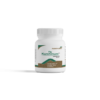
Kurchinum Granules
Kurchinum – Dual Action Formula – Arrests Diarrhoea and Soothes Intestinal Inflammation.
Kurchinum Granules are formulated to provide fast and effective relief in diarrhoea and dysentery of varied etiology, including amoebic and bacillary origins. Enriched with Kurchicine and potent astringents, it combats intestinal infections, reduces mucosal inflammation, and controls excessive bowel motility. Its carminative and antiseptic ingredients relieve abdominal cramps, gaseous distension, and tenesmus, while promoting intestinal healing and restoring normal bowel function.
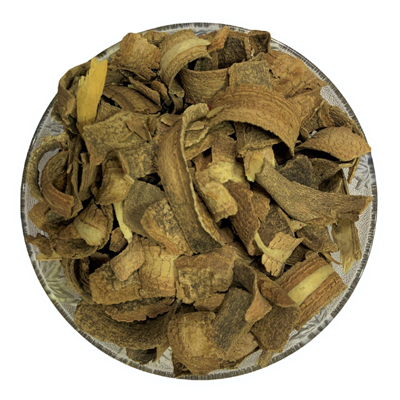
1) Kutaja (Holarrhena antidysenterica)
Kutaja is a potent anti-dysenteric herb known for its active alkaloid Kurchicine, which exhibits strong anti-amoebic and anti-parasitic action. It effectively combats intestinal infections, reduces colonic inflammation, and alleviates bowel irritability. Widely used in the management of both amoebic and bacillary dysentery.
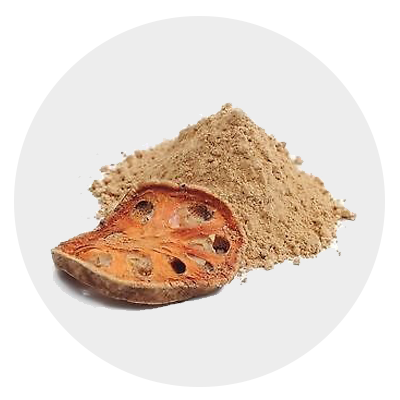
2) Bilva/Bel giri (Aegle marmelos)
Bilva is rich in pectin, a soluble fiber that swells in the presence of water, helping to bulk up stool and reduce its frequency. It supports fluid retention in the colon and prevents dehydration associated with diarrhoea. Its soothing action on the gut lining makes it ideal for managing dysentery and chronic bowel disturbances.
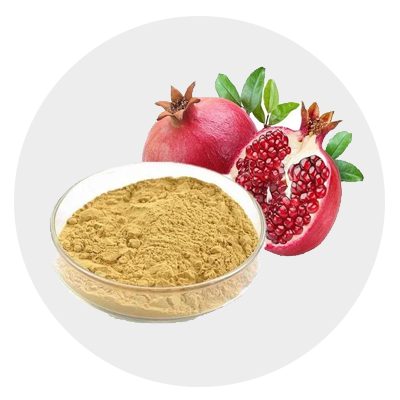
3) Dadima (Punica granatum)
Dadima is a powerful astringent rich in tannins, which help reduce intestinal secretions and control hypermotility. It acts on the colonic mucosa to reduce inflammation, ease abdominal cramps, and curb mucous or bloody discharge. Ideal for managing dysentery and loose stools with tenesmus.
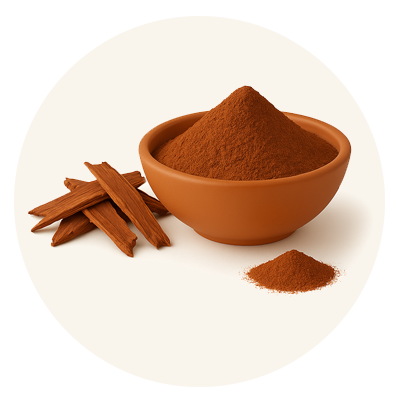
4) Kathha (Acacia catechu)
Kattha is a strong intestinal astringent, rich in epicatechin and catechins, which help reduce excessive intestinal secretions and motility. It acts directly on the colonic mucosa, controlling watery stools and inflammation. Useful in managing diarrhoea with mucous, abdominal discomfort, and frequency.
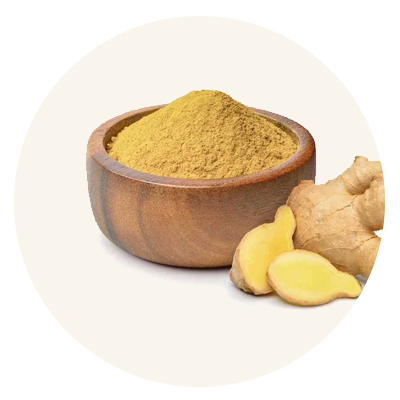
5) Sunthi (Zingiber officinale)
Sunthi is a well-known anti-spasmodic and carminative agent that helps relieve abdominal cramps, bloating, and colic commonly associated with dysentery. It also possesses anti-emetic properties, effectively managing nausea and vomiting. Sunthi supports smoother digestion and eases gastrointestinal discomfort during diarrhoeal episodes.
Related products
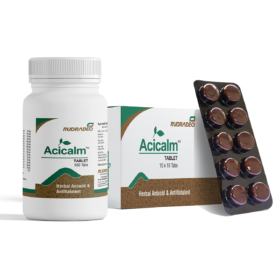
Acicalm Tablet
Acicalm Tablet is specially formulated to address hyperacidity at its root. It not only neutralizes excess gastric acid but also promotes healing of gastric and duodenal ulcers. By enhancing mucosal protection through local prostaglandin stimulation and aiding gastric emptying, Acicalm helps reduce reflux and abdominal discomfort. Its holistic action supports healthy gastric function and offers rapid relief from burning sensations associated with acid dyspepsia.
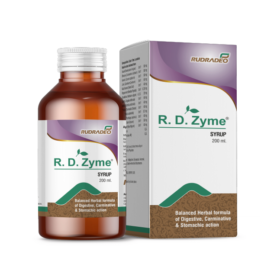
R D Zyme Syrup
R D Zyme Syrup is a gentle herbal digestive tonic specially formulated to support healthy gastrointestinal function in infants and children. It is designed to act softly on a child’s delicate digestive system, providing effective relief from common digestive complaints such as indigestion, flatulence, colic, abdominal discomfort, and poor appetite. Prepared from time-tested Ayurvedic digestive and carminative herbs, R D Zyme Syrup works by improving enzyme secretion, enhancing digestion, and supporting proper absorption and assimilation of nutrients. Regular use helps maintain digestive balance, protects against intestinal worms and infections, and promotes optimal growth and weight gain in children—without causing irritation or dependency. R D Zyme Syrup offers a safe, natural, and reliable solution for routine pediatric digestive care.
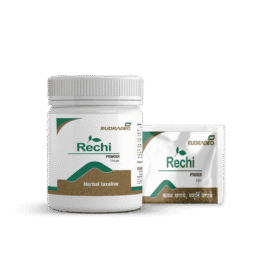
Rechi Powder
Rechi Powder is a gentle herbal laxative specially formulated to support healthy and complete bowel evacuation. Made from time-trusted natural ingredients, it works effectively to relieve constipation and promote regular morning bowel movements. Rechi helps soften stools, supports smooth intestinal passage, and encourages the body’s natural cleansing process — without causing dependency or harsh side effects. Its plant-based formulation makes it suitable for routine use and ideal for individuals seeking a safe, natural solution for digestive comfort. Whether for daily digestive support or occasional relief, Rechi Powder offers a dependable herbal approach to maintaining regularity and overall gut wellness.

Gasrup Capsule
Gasrup Capsule is a powerful Ayurvedic formulation designed for rapid relief from gas, bloating, and abdominal discomfort. Its synergistic blend of carminative, anti-spasmodic, and digestive herbs works quickly to expel trapped gas, ease colic pain, and relax intestinal muscles—restoring comfort naturally. Beyond immediate relief, Gasrup stimulates digestive enzymes to enhance nutrient absorption and gut health. It also supports regular bowel movements and helps prevent indigestion caused by diet, stress, or sluggish digestion. • Fast acting. • Non habit forming. • Natural & safe. Whether for occasional discomfort or daily digestive care, Gasrup Capsule offers a reliable, herbal solution to keep your digestion light, smooth, and balanced.