

Product
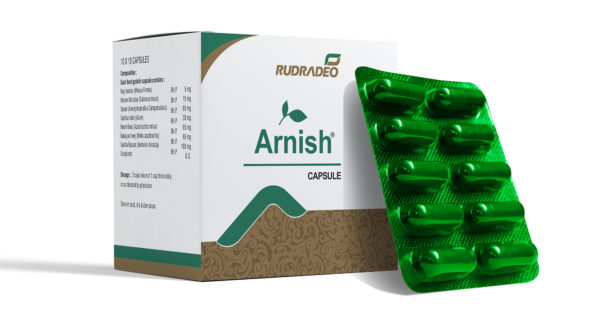
Arnish Capsule
Arnish – Natural support for piles, fissure, and anal wounds
Arnish Capsule is a comprehensive herbo-mineral formulation designed for the effective management of haemorrhoids (piles), anal fissures, peri-anal abscess, and fistula-in-ano. Formulated on classical Ayurvedic principles and supported by modern pharmacology, Arnish provides rapid symptomatic relief while addressing the root pathology of venous congestion, inflammation, infection, and bleeding associated with ano-rectal disorders.
In Ayurveda, piles are described under Arsha, a condition arising from Mandagni (impaired digestion), chronic constipation, venous congestion, and imbalance of Vata and Pitta doshas. Arnish Capsule works by correcting Agni, strengthening rectal venules, arresting bleeding, reducing inflammation, and promoting tissue healing—thus offering both curative and preventive benefits.
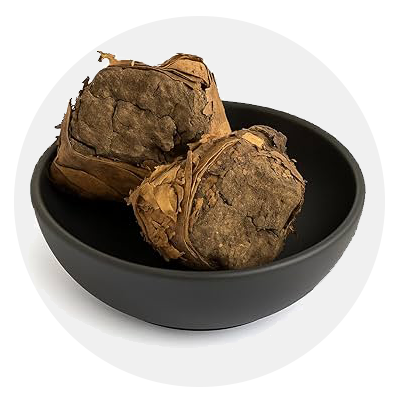
1) Shuddha Rasauta/Rasonta/Rasot (Berberis aristata)
Suddh Rasonta is a potent anti-inflammatory and antimicrobial herb. It reduces swelling, pain, and tenderness of haemorrhoidal tissues while preventing secondary infection. From an Ayurvedic perspective, it pacifies Pitta and Kapha, purifies blood (Raktashodhana), and supports healing of inflamed ano-rectal tissues. Modern studies confirm its inhibition of inflammatory mediators such as prostaglandins and histamine.
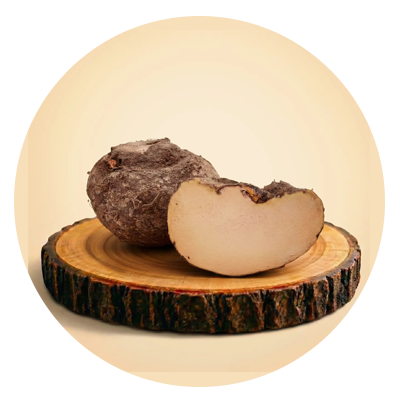
2) Surana (Amorphophallus campanulatus)
Surana is one of the most important Ayurvedic remedies for piles and fistula. It exhibits analgesic, anti-inflammatory, and antimicrobial properties that help shrink haemorrhoidal masses and relieve pain. In Ayurveda, it is classified as Arshoghna and helps strengthen rectal tissues while improving bowel evacuation.

3) Shuddha Sphatika (Potash alum)
Shuddh Sphatik is a powerful astringent and haemostatic agent. It constricts dilated haemorrhoidal veins, effectively stopping bleeding and promoting clot formation. Ayurvedically, it is valued for its Raktastambhaka (Haemostatic) and Vranashodhana (wound cleansing) properties, aiding in rapid healing of fissures and inflamed tissues.
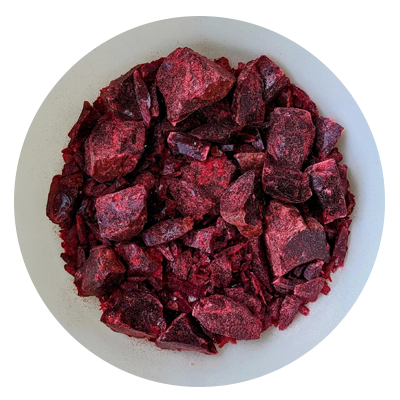
4) Khoona Kharaba (Calamus/Daemonorops draco)
Traditionally used to arrest bleeding, Khoon Kharaba is a strong natural haemostatic. Its astringent action helps constrict capillaries and strengthen vascular walls. In Ayurveda, it supports Rakta-sthapan and tissue repair, making it especially useful in bleeding haemorrhoids.

5) Nagkesara (Messua ferrea)
Traditionally used to arrest bleeding, Khoon Kharaba is a strong natural haemostatic. Its astringent action helps constrict capillaries and strengthen vascular walls. In Ayurveda, it supports Rakta-sthapan and tissue repair, making it especially useful in bleeding haemorrhoids.

6) Neem beeja (Azadirachta indica)
Neem improves liver and portal blood circulation, thereby reducing venous congestion at the ano-rectal wall. It possesses strong anti-inflammatory, analgesic, and antibacterial properties. Ayurvedically, Neem is Pitta-shamaka and Krimighna, helping reduce inflammation, infection, and burning sensation commonly associated with bleeding piles.
Related products
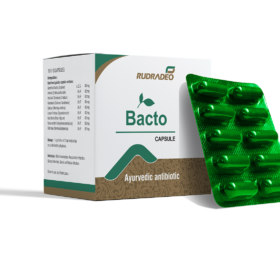
Bacto Capsule
Bacto Capsule is a scientifically formulated herbo mineral Ayurvedic preparation designed to provide wide spectrum support against mild to moderate infections while strengthening the body’s natural immune defence mechanisms. Developed on classical Ayurvedic principles and supported by modern pharmacological evidence, Bacto Capsule acts as a supportive antimicrobial and immunomodulatory formulation. Rather than acting as a standalone antibiotic, Bacto Capsule helps control microbial load, enhances immune responsiveness, protects vital organs from infection induced oxidative stress, and can be used as an adjuvant alongside conventional antimicrobial therapies.
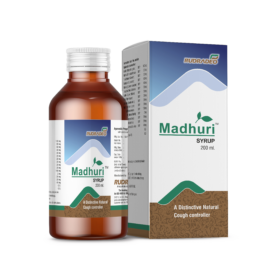
Madhuri Syrup
Madhuri syrup is a scientifically formulated Ayurvedic polyherbal preparation designed to provide multidimensional support in both dry and productive cough associated with respiratory tract infections and chronic airway disorders. Developed on classical Ayurvedic principles and supported by modern pharmacological research, Madhuri Syrup works by soothing irritated respiratory mucosa, liquefying thick mucus, clearing obstructed airways, and strengthening immune defence. Rather than acting as a mere cough suppressant, Madhuri syrup addresses the underlying inflammatory, infectious, allergic, and hypersecretory components of cough, making it suitable for both acute and long-term use across all age groups.
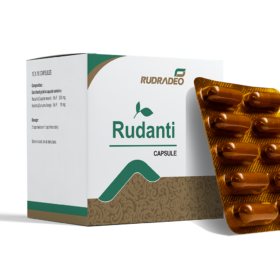
Rudanti Capsule
Rudanti Capsule is a scientifically supported Ayurvedic formulation designed as a safe and effective natural adjuvant in the management of Tuberculosis (TB). It works by enhancing the body’s innate immune defense against Mycobacterium tuberculosis while protecting vital organs from the toxic effects of prolonged anti-Koch’s therapy (AKT). Formulated with proven anti-tubercular and hepatoprotective herbs, Rudanti Capsule exhibits tuberculostatic activity, helping inhibit the growth of TB bacteria without causing adverse effects. Simultaneously, its strong antioxidant and liver-protective properties help safeguard the liver and kidneys from drug-induced toxicity commonly associated with conventional anti-TB regimens. Rudanti Capsule is widely preferred as a supportive therapy alongside standard anti-TB drugs, improving tolerance, compliance, and overall quality of life in TB patients, including those with MDR-TB.

Haemeron Capsule
Haemeron Capsule is a carefully crafted herbo-mineral formulation that follows the Ayurvedic principles of Rakta Dhatu (blood tissue) nourishment and Pitta balance, aimed at managing mild to moderate anaemia naturally. In Ayurveda, anaemia is often associated with Raktakshaya (depletion of blood) and impaired Agni (digestive/metabolic fire), which leads to poor assimilation of nutrients essential for blood formation. This formulation combines bioavailable iron bhasmas, liver-supportive herbs, and Rakta prasadaka (blood-nourishing) herbs to: • Promote Rakta Dhatu formation (support natural erythropoiesis) • Enhance Agni and nutrient absorption, particularly iron • Protect Rakta Dhatu from oxidative stress • Support Yakrit (liver) function, the central site of blood metabolism in Ayurveda By addressing the root causes of blood depletion rather than just supplementing iron, Haemeron Capsule helps restore haemoglobin levels, normalize RBC indices, and improve overall blood quality. Regular use supports increased energy, stamina, mental clarity, and balanced digestion, all in harmony with Ayurvedic principles.
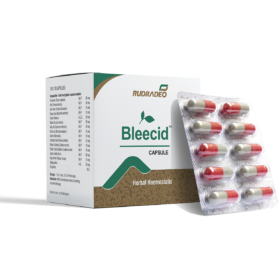
Bleecid Capsule
Bleecid Capsule is a scientifically designed Ayurvedic formulation developed to provide effective haemostatic support in mild to moderate internal and external bleeding conditions. Formulated on classical Ayurvedic principles and supported by modern pharmacological understanding, Bleecid acts by promoting rapid haemostasis, strengthening vascular integrity, and supporting the physiological coagulation cascade. Rather than acting as a synthetic procoagulant, Bleecid works synergistically through vasoconstriction, platelet and fibrin modulation, bioactive calcium supplementation, and tissue-healing support, while also providing antiseptic protection at bleeding sites.

Diabe Capsule
Diabe Cap Capsule is a scientifically designed herbo-mineral formulation based on classical Ayurvedic principles and supported by modern pharmacology, intended for holistic glycaemic support in Diabetes Mellitus. Rather than offering mere symptomatic sugar reduction, it works at multiple metabolic levels by improving insulin secretion and sensitivity, supporting pancreatic beta-cell function, regulating post-prandial glucose absorption, and protecting against oxidative stress. From an Ayurvedic perspective, it addresses Madhumeha by rekindling Agni, pacifying aggravated Kapha and Pitta, strengthening Yakrit and Agnashaya (pancreas), correcting Meda imbalance, and preserving Ojas, thereby supporting balanced metabolism, vitality, and long-term metabolic wellbeing.

Shakti Tone Syrup
Shakti Tone Syrup is a scientifically designed herbo mineral formulation developed to address physical weakness, fatigue, and debility arising from poor digestion, impaired nutrient absorption, and low haemoglobin levels. Prepared on classical Ayurvedic principles and validated through modern biomedical understanding, Shakti Tone works by correcting digestive inefficiency (Agnimandya), strengthening liver function, improving bioavailability of micronutrients, and supporting healthy haemopoiesis. Rather than acting as a mere iron supplement or digestive tonic, Shakti Tone Syrup adopts a holistic approach—optimizing digestion, assimilation, and blood formation simultaneously—making it ideal for long term use across different age groups.