In today’s fast-paced lifestyle, maintaining a strong immune system is more important than ever. Ayurveda, India’s ancient system of natural healing, has relied on medicinal herbs for thousands of years to support overall wellness and help the body maintain its natural defenses.
Unlike quick fixes, Ayurvedic herbs work by promoting balance within the body, supporting digestion, reducing stress, and improving vitality—all of which contribute to a healthier immune system.
Here are the top 10 Ayurvedic herbs traditionally used to support immunity and overall well-being.
1. Tulsi (Holy Basil)
Tulsi is one of the most revered herbs in Ayurveda and is often called the “Queen of Herbs.”
Benefits
- Supports the body’s natural immune response
- Rich in antioxidants
- Helps the body adapt to everyday stress
- Supports respiratory wellness
- Promotes overall vitality
How to consume:
- Tulsi tea
- Fresh leaves
- Tulsi capsules or tablets
2. Giloy (Guduchi)
Giloy is widely known as an Ayurvedic herb that supports natural immunity and overall wellness.
Benefits
- Supports healthy immune function
- Rich in beneficial plant compounds
- Helps maintain energy levels
- Supports liver health
- Promotes healthy digestion
How to consume:
- Giloy juice
- Giloy tablets
- Giloy powder
3. Ashwagandha
Ashwagandha is a powerful adaptogenic herb traditionally used to help the body cope with stress.
Benefits
- Supports stress management
- Helps maintain energy and stamina
- Supports restful sleep
- Promotes mental wellness
- Contributes to overall immune health
How to consume:
- Ashwagandha powder with warm milk
- Capsules
- Tablets
4. Amla (Indian Gooseberry)
Amla is naturally rich in Vitamin C and antioxidants.
Benefits
- Supports healthy immunity
- Promotes healthy skin and hair
- Supports digestion
- Helps fight oxidative stress
- Supports healthy aging
How to consume:
- Fresh fruit
- Juice
- Powder
- Chyawanprash
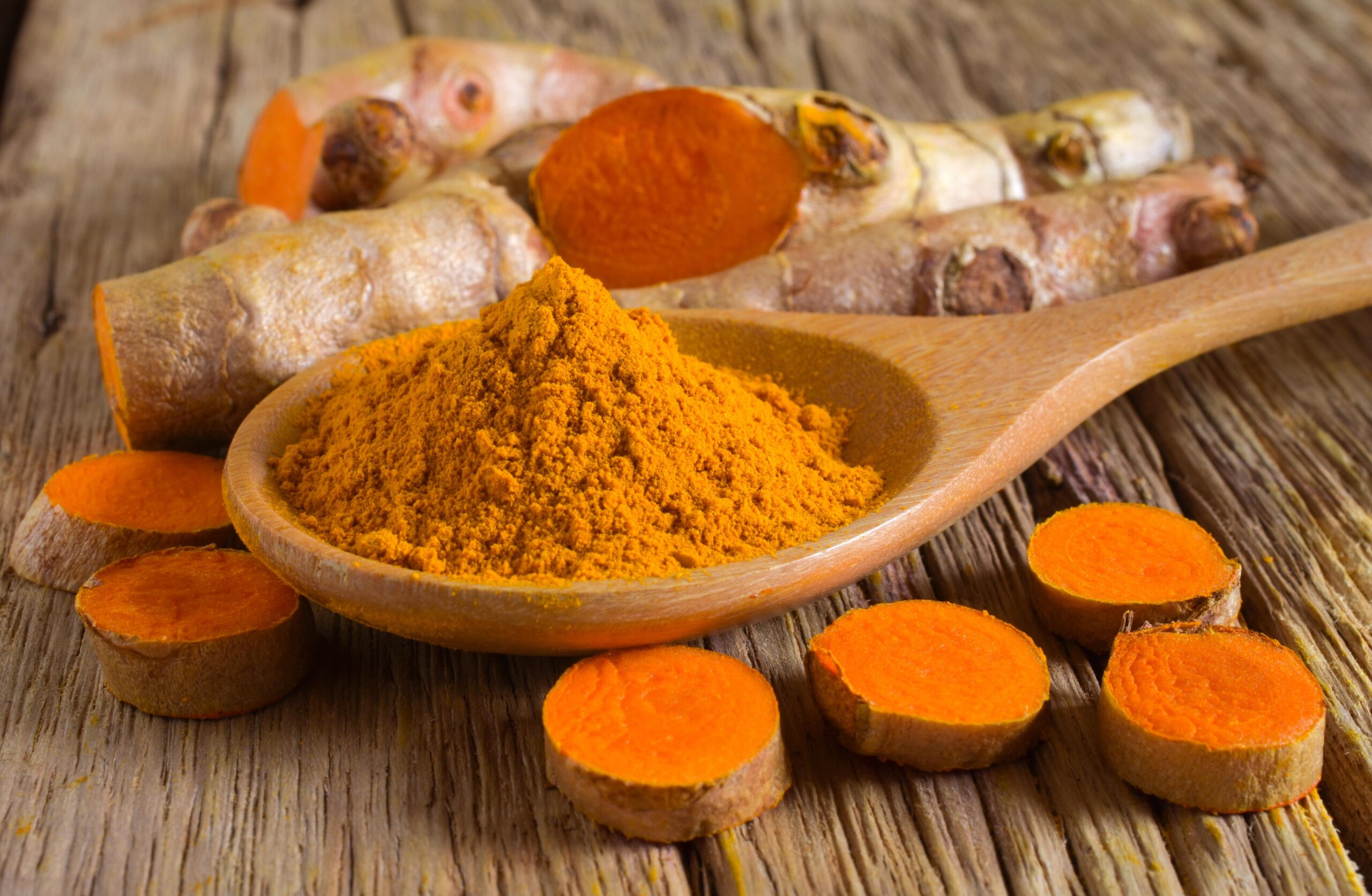
5. Turmeric (Haldi)
Turmeric contains curcumin, a natural compound known for its antioxidant properties.
Benefits
- Supports a healthy inflammatory response
- Rich in antioxidants
- Supports joint health
- Promotes digestive wellness
- Helps maintain overall health
How to consume:
- Golden milk
- Cooking
- Capsules
6. Neem
Neem has been valued in Ayurveda for centuries for its cleansing properties.
Benefits
- Supports skin health
- Helps maintain oral hygiene
- Supports natural detoxification
- Rich in plant compounds
- Promotes overall wellness
How to consume:
- Neem tablets
- Neem juice
- Neem powder
7. Mulethi (Licorice Root)
Mulethi is traditionally used to support respiratory comfort.
Benefits
- Supports throat comfort
- Promotes respiratory wellness
- Supports digestive health
- Rich in antioxidants
- Helps maintain overall vitality
How to consume:
- Herbal tea
- Powder
- Lozenges
8. Ginger (Adrak)
Ginger is one of the most commonly used herbs in Ayurveda.
Benefits
- Supports digestion
- Helps maintain healthy circulation
- Rich in antioxidants
- Supports respiratory wellness
- Promotes overall health
How to consume:
- Fresh ginger tea
- Cooking
- Herbal decoction
9. Cinnamon (Dalchini)
Cinnamon is more than just a spice—it is a valuable Ayurvedic herb.
Benefits
- Supports healthy metabolism
- Rich in antioxidants
- Promotes digestive wellness
- Supports heart health
- Adds natural warmth to the body
How to consume:
- Tea
- Warm milk
- Cooking
10. Triphala
Triphala is a classic Ayurvedic blend made from Amla, Haritaki, and Bibhitaki.
Benefits
- Supports healthy digestion
- Promotes gentle detoxification
- Supports nutrient absorption
- Rich in antioxidants
- Contributes to overall wellness
How to consume:
- Powder
- Tablets
- Capsules
Lifestyle Tips to Naturally Support Immunity
To complement these herbs, consider following these Ayurvedic practices:
- Eat fresh, balanced meals.
- Stay well hydrated.
- Sleep for 7–8 hours each night.
- Practice yoga and meditation regularly.
- Exercise consistently.
- Reduce stress through mindfulness.
- Include seasonal fruits and vegetables in your diet.